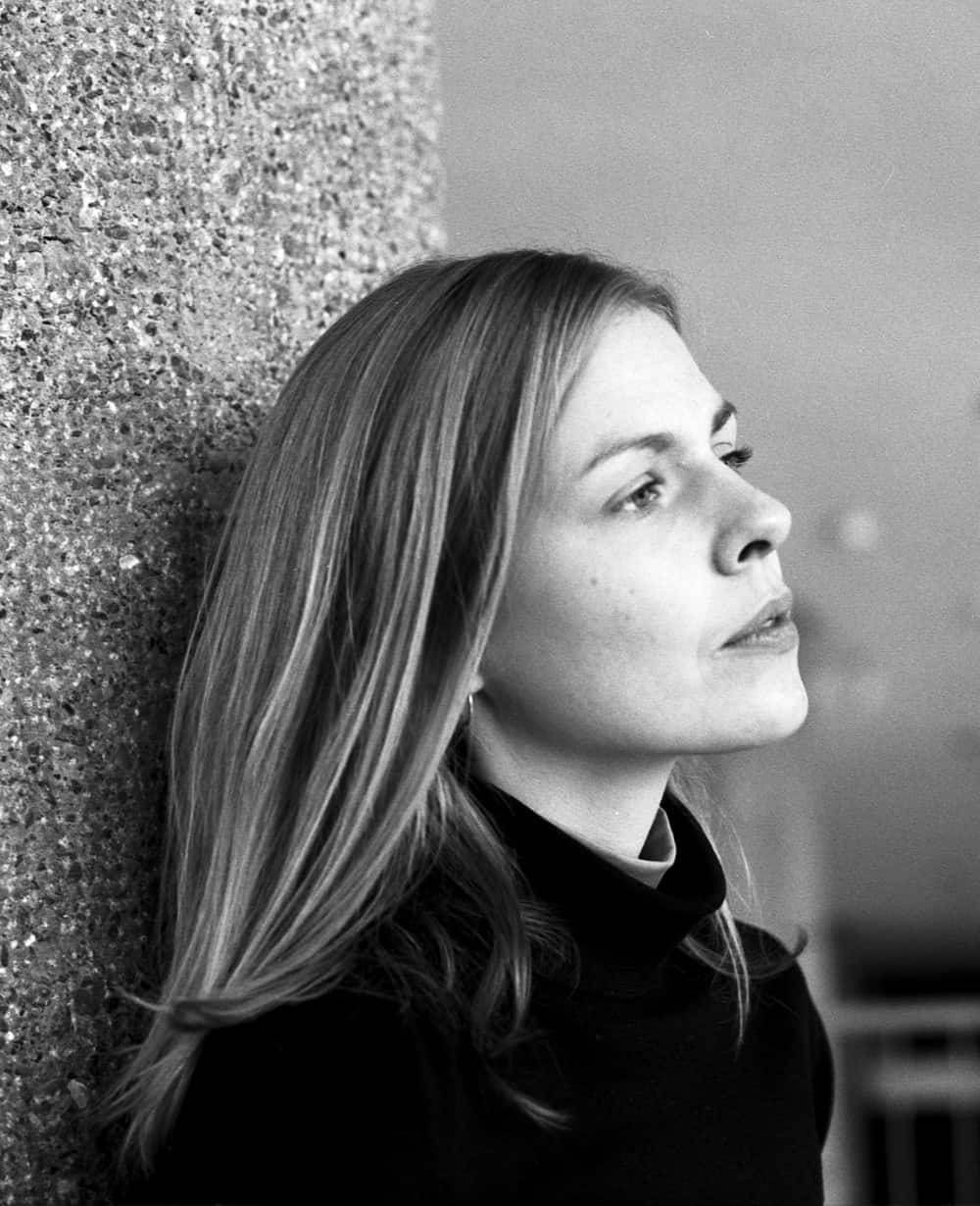
Amelie Baier
Amelie Baier is a singer who works across classical opera and concert stages as well as in experimental and interdisciplinary performance and sound art. She studied voice at the Berlin University of the Arts and cultural studies and musicology at Humboldt University Berlin. As a mezzo-soprano, she was a member of the Oper Bern ensemble and has appeared at the Deutsche Oper Berlin, Stadttheater Klagenfurt, Philharmonie Berlin, and Konzerthaus Berlin.
Her research-driven practice explores the expressive potential of the voice, its structures, timbres, and improvisational possibilities. In performative formats and sound works, she blends classical technique with experimental approaches, often within collaborative contexts. Her work has been shown at Haus der Kunst Munich, the Academy of Arts Berlin, and in exhibitions and performance settings in the independent art scene.
During the LOA Residency, she is developing a new concert format inspired by the texts and compositions of medieval women mystics and composers.
Her research-driven practice explores the expressive potential of the voice, its structures, timbres, and improvisational possibilities. In performative formats and sound works, she blends classical technique with experimental approaches, often within collaborative contexts. Her work has been shown at Haus der Kunst Munich, the Academy of Arts Berlin, and in exhibitions and performance settings in the independent art scene.
During the LOA Residency, she is developing a new concert format inspired by the texts and compositions of medieval women mystics and composers.
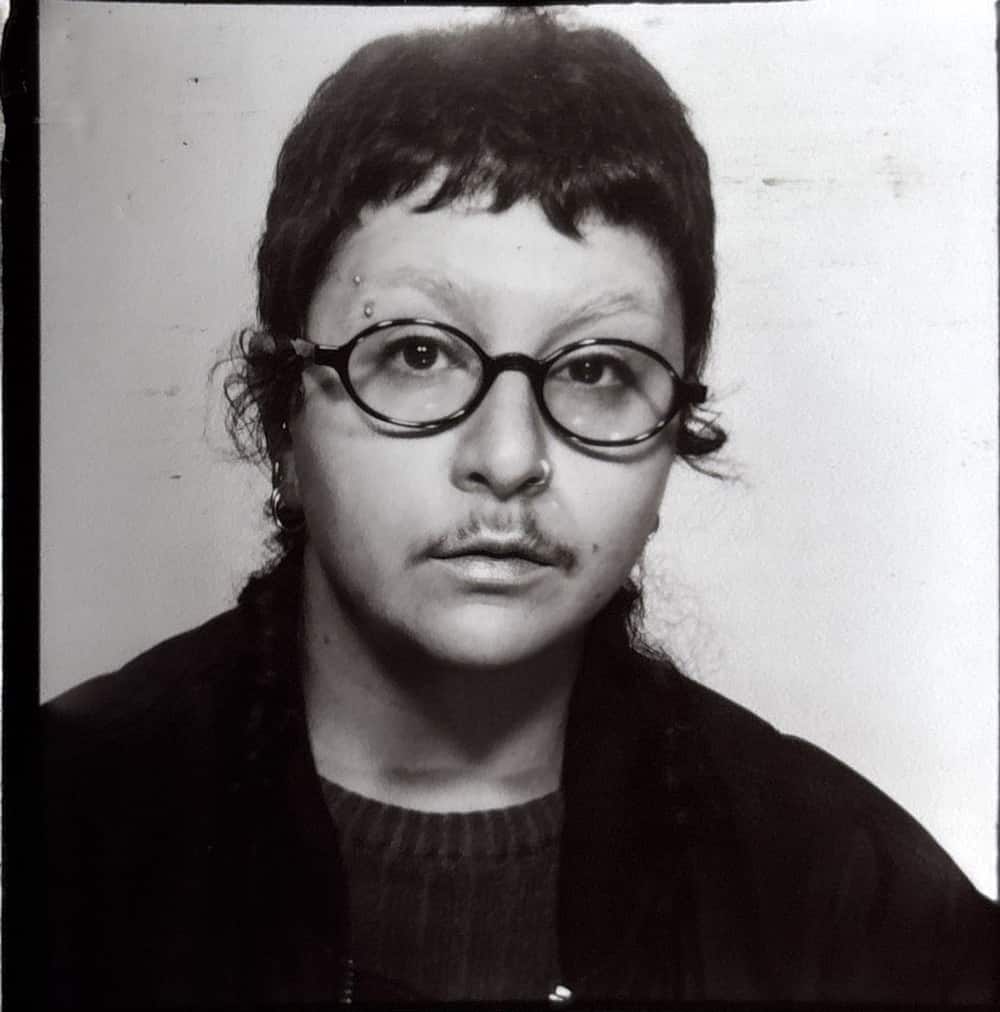
Hengameh Yaghoobifarah
Hengameh Yaghoobifarah is a writer, editor and DJ. Their work is informed by queer feminist analysis, pop culture, and humor as a resistance strategy. They studied Media & Cultural studies and Scandinavian studies in Freiburg and Linköping. Since 2014 they live in Berlin and work as an editor for Missy Magazine and co-founded the literary magazine Delfi in 2023. Together with Fatma Aydemir, they published the essay collection Your Homeland Is Our Nightmare (2019).
Blumenbar published their two novels Ministerium der Träume (2021) and Schwindel (2024) as well as their column volume Habibitus (2023) – a collection of the columns they wrote for the daily newspaper taz between 2016 and 2022.
In 2023, WDR also published Hengameh's first radio play, Unverpackt. Hengameh hosts the bi-weekly conversational podcast Auf eine Tüte.
They will dedicate their time during the LOA residency to working on their next novel, an episodical piece about the end of the world.
Blumenbar published their two novels Ministerium der Träume (2021) and Schwindel (2024) as well as their column volume Habibitus (2023) – a collection of the columns they wrote for the daily newspaper taz between 2016 and 2022.
In 2023, WDR also published Hengameh's first radio play, Unverpackt. Hengameh hosts the bi-weekly conversational podcast Auf eine Tüte.
They will dedicate their time during the LOA residency to working on their next novel, an episodical piece about the end of the world.
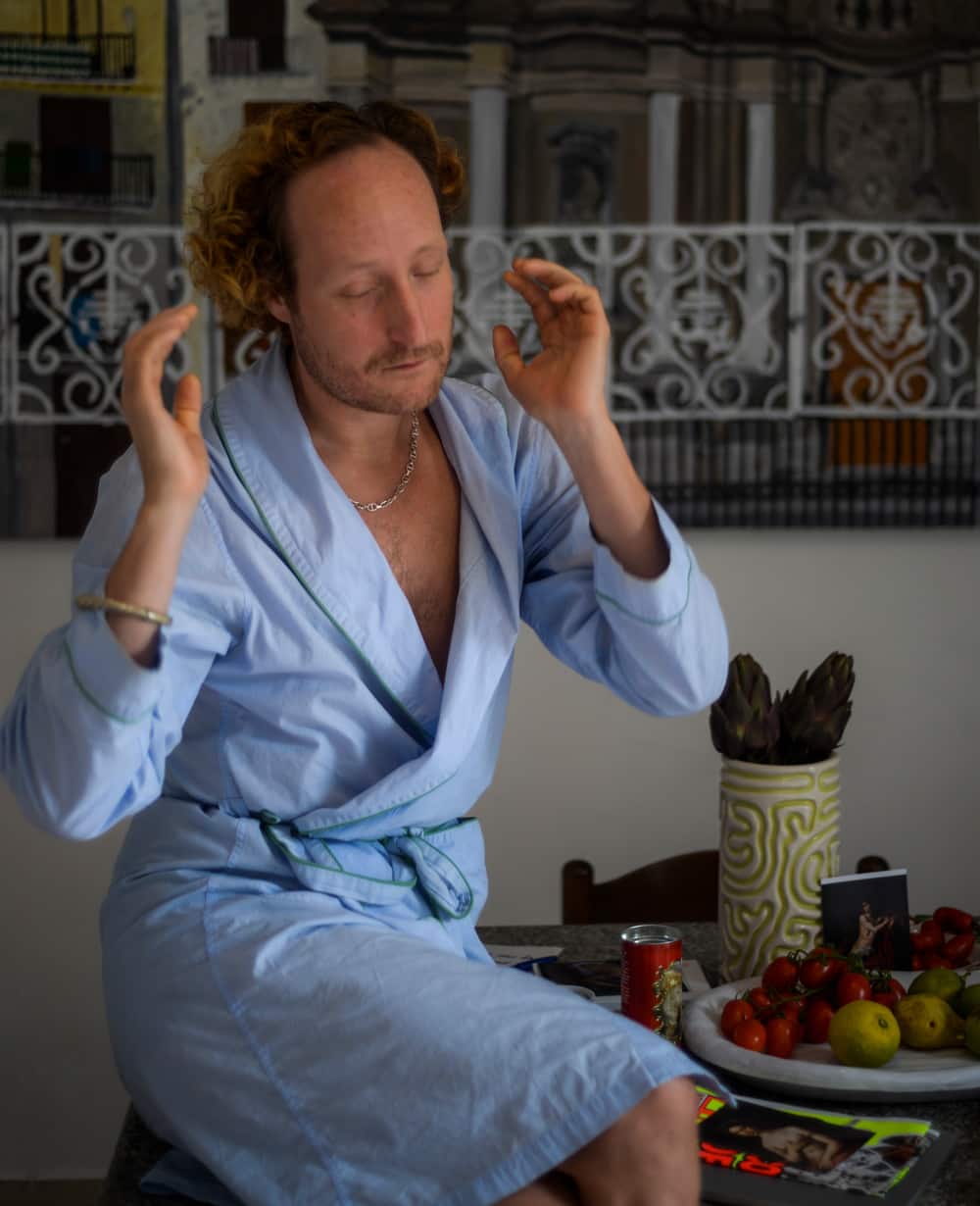
Jan Koslowski
Jan Koslowski, who grew up in Berlin’s Prenzlauer Berg district, works as an author, director, and actor. He studied directing at the Academy of Performing Arts Baden-Württemberg, film dramaturgy at the Film Academy Baden-Württemberg, took part in the Master’s Class in Directing at the Zurich University of the Arts, and studied theology at Humboldt University Berlin.
His plays have been presented, among others, at the Stuttgart State Theatre, Schauspiel Magdeburg, Schauspiel Frankfurt, Schauspielhaus Graz, Volkstheater Rostock, Volksbühne Berlin, HAU Berlin, Ballhaus Ost, the Deutsche Oper Berlin, Volkstheater Munich, Neumarkt Theater Zurich, Poche Theatre Geneva, as well as at Connecting Space Hong Kong. He was part of the artistic leadership of the Zurich Hyperlokal and the touring theatre project STAGE. Together with an initiative of Berlin-based artists, he organizes the Festspiele am Plötzensee. His texts have been published, among others, in the magazines Das Wetter and Nichts als Schönheit. In 2020, he published his prose debut RABAUKEN with Korbinian Verlag, which was awarded the German Publishing Prize; this was followed in 2021 by the fable NÖ.
As an actor, he has appeared, among others, in the post-apocalyptic drama ENDE NEU by Leonel Dietsche, in the Berlinale-awarded film Millennials by Jana Bürgelin, in Stechen und Sterben at the Volksbühne Berlin, and in Wo keine Götter sind, walten Gespenster by Bastian Gascho. In addition to his theatre work, he has directed various fictional and documentary short and medium-length films. His first feature film, BRIGITTE REIMANN BESTEIGT DEN MONT VENTOUX!, was released in 2021; this was followed in 2025 by La passerella di Amelie, which was invited to the Max Ophüls Film Festival.
Furthermore, he curates exhibitions at the intersection of literature, performance, and installation, and develops performative formats in collaboration with the artist Olga Hohmann. His artistic projects revolve around questions of structural change and gentrification, community building, and cultures of remembrance.
Photo credit: Francesco Cuttitta
His plays have been presented, among others, at the Stuttgart State Theatre, Schauspiel Magdeburg, Schauspiel Frankfurt, Schauspielhaus Graz, Volkstheater Rostock, Volksbühne Berlin, HAU Berlin, Ballhaus Ost, the Deutsche Oper Berlin, Volkstheater Munich, Neumarkt Theater Zurich, Poche Theatre Geneva, as well as at Connecting Space Hong Kong. He was part of the artistic leadership of the Zurich Hyperlokal and the touring theatre project STAGE. Together with an initiative of Berlin-based artists, he organizes the Festspiele am Plötzensee. His texts have been published, among others, in the magazines Das Wetter and Nichts als Schönheit. In 2020, he published his prose debut RABAUKEN with Korbinian Verlag, which was awarded the German Publishing Prize; this was followed in 2021 by the fable NÖ.
As an actor, he has appeared, among others, in the post-apocalyptic drama ENDE NEU by Leonel Dietsche, in the Berlinale-awarded film Millennials by Jana Bürgelin, in Stechen und Sterben at the Volksbühne Berlin, and in Wo keine Götter sind, walten Gespenster by Bastian Gascho. In addition to his theatre work, he has directed various fictional and documentary short and medium-length films. His first feature film, BRIGITTE REIMANN BESTEIGT DEN MONT VENTOUX!, was released in 2021; this was followed in 2025 by La passerella di Amelie, which was invited to the Max Ophüls Film Festival.
Furthermore, he curates exhibitions at the intersection of literature, performance, and installation, and develops performative formats in collaboration with the artist Olga Hohmann. His artistic projects revolve around questions of structural change and gentrification, community building, and cultures of remembrance.
Photo credit: Francesco Cuttitta
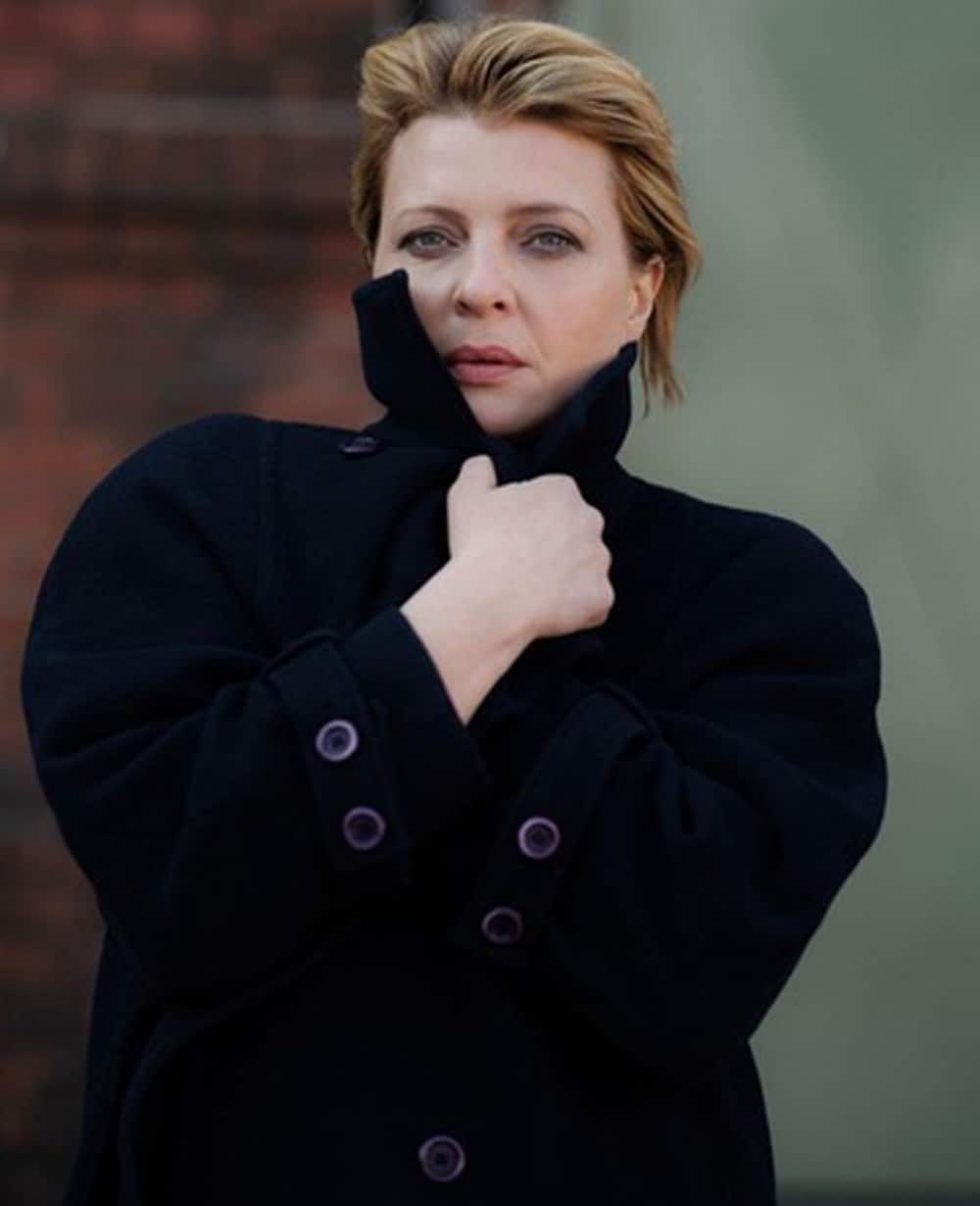
Jördis Triebel
Jördis Triebel is one of the most renowned German actresses of her generation. After studying acting at the Ernst Busch University of Theatre Arts Berlin, she began her career at the Bremen Theater.
Her versatility and strong presence quickly made her a sought-after actress on stage and screen. To date, she has appeared in over 75 cinema and TV productions and has received numerous awards, including the German Film Award for "Westen" (dir: Christian Schwochow) and "In einem Land, das es nicht mehr gibt" (dir: Aelrun Goette). In addition to her impressive film roles, she has also shone in outstanding series such as "Babylon Berlin" (dir: Achim v. Borries, Henk Handloegten, Tom Tykwer), "Dark" (dir: Baranbo Odar) and "Die Kaiserin" (dir: Florian Cossen, Katrin Gebbe, Maximilian Erlenwein, Barbara Ott, Katharina Eyssen), which were internationally acclaimed. In 2025, she appeared as the lead actress in the miniseries Marzahn Mon Amour (directed by Clara Zoë My-Linh von Arnim). In 2026, the series "Kacken an der Havel" will be released on Netflix and "City of blood" on Disney, both featuring her in continuous leading roles alongside.
Photo credit: Linda Rosa Saal
Her versatility and strong presence quickly made her a sought-after actress on stage and screen. To date, she has appeared in over 75 cinema and TV productions and has received numerous awards, including the German Film Award for "Westen" (dir: Christian Schwochow) and "In einem Land, das es nicht mehr gibt" (dir: Aelrun Goette). In addition to her impressive film roles, she has also shone in outstanding series such as "Babylon Berlin" (dir: Achim v. Borries, Henk Handloegten, Tom Tykwer), "Dark" (dir: Baranbo Odar) and "Die Kaiserin" (dir: Florian Cossen, Katrin Gebbe, Maximilian Erlenwein, Barbara Ott, Katharina Eyssen), which were internationally acclaimed. In 2025, she appeared as the lead actress in the miniseries Marzahn Mon Amour (directed by Clara Zoë My-Linh von Arnim). In 2026, the series "Kacken an der Havel" will be released on Netflix and "City of blood" on Disney, both featuring her in continuous leading roles alongside.
Photo credit: Linda Rosa Saal
Julius Heinemann
Julius Heinemann investigates the physical, neurological and cultural structures upon which the perception of the world is traditionally based. The relationship between how the eye sees and how the body moves and behaves exposes the issue of subjective individual perception, the construction of reality, and interactions with others (subjects and objects).
Based on the study of time and space, and through the experience of colour, light, shape or line, Heinemann constantly explores how to create new abstract tools to understand perception in its flow of now-ness. The artist structures these elements like vocabulary and uses it in his paintings, drawings, installations, books and every other type of media he experiments with. This process serves as a starting point for new ways of understanding the human condition – a social, subjective, individual reality.
Julius Heinemann studied Photography at Folkwang University of the Arts in Essen and at the HGB in Leipzig before earning an MA in Sculpture at the Royal College of Art in London. He won several scholarships and was invited for artist residencies in Brazil, Mexico, Italy and at the Van Eyck Academy in Maastricht. Heinemann has exhibited his work internationally in places such as London, Madrid, São Paulo, Zürich, Mexico City and Antwerp.
During the residency, he intends to work on watercolours and to further develop an interview project exploring the perception of the present.
Photo credit: Doro Zinn
Based on the study of time and space, and through the experience of colour, light, shape or line, Heinemann constantly explores how to create new abstract tools to understand perception in its flow of now-ness. The artist structures these elements like vocabulary and uses it in his paintings, drawings, installations, books and every other type of media he experiments with. This process serves as a starting point for new ways of understanding the human condition – a social, subjective, individual reality.
Julius Heinemann studied Photography at Folkwang University of the Arts in Essen and at the HGB in Leipzig before earning an MA in Sculpture at the Royal College of Art in London. He won several scholarships and was invited for artist residencies in Brazil, Mexico, Italy and at the Van Eyck Academy in Maastricht. Heinemann has exhibited his work internationally in places such as London, Madrid, São Paulo, Zürich, Mexico City and Antwerp.
During the residency, he intends to work on watercolours and to further develop an interview project exploring the perception of the present.
Photo credit: Doro Zinn
Katja Oskamp
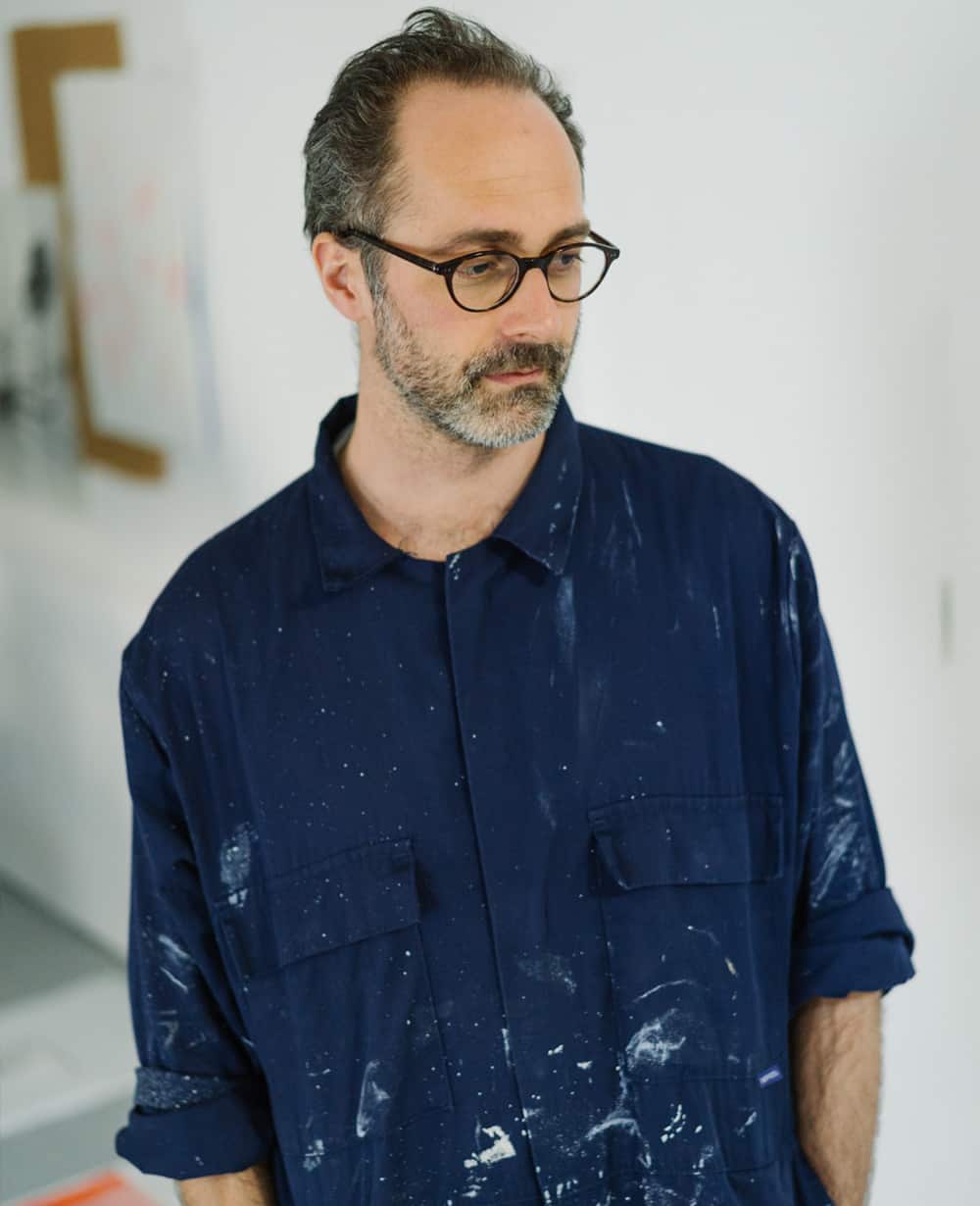
Katja Oskamp was born in Leipzig in 1970 and grew up in Berlin. She studied Theatre Studies, worked as a dramaturg at the Volkstheater Rostock, and later studied at the German Literature Institute. In 2003, she published her short story collection Halbschwimmer, which explores childhood and adolescence in the former GDR. This was followed by the marriage novel Die Staubfängerin and the novel Hellersdorfer Perle, a love story set in a prefabricated housing estate.
For the bestselling book Marzahn mon amour – Stories of a Chiropodist, she was awarded the Dublin Literary Award in 2023. The book was adapted into a television series for ARD. In 2024, her autofictional novel Die vorletzte Frau was published.
During the residency, Katja Oskamp will work on a new prose text.
Photo credit: Mathias Bothor
For the bestselling book Marzahn mon amour – Stories of a Chiropodist, she was awarded the Dublin Literary Award in 2023. The book was adapted into a television series for ARD. In 2024, her autofictional novel Die vorletzte Frau was published.
During the residency, Katja Oskamp will work on a new prose text.
Photo credit: Mathias Bothor
Marion Brasch
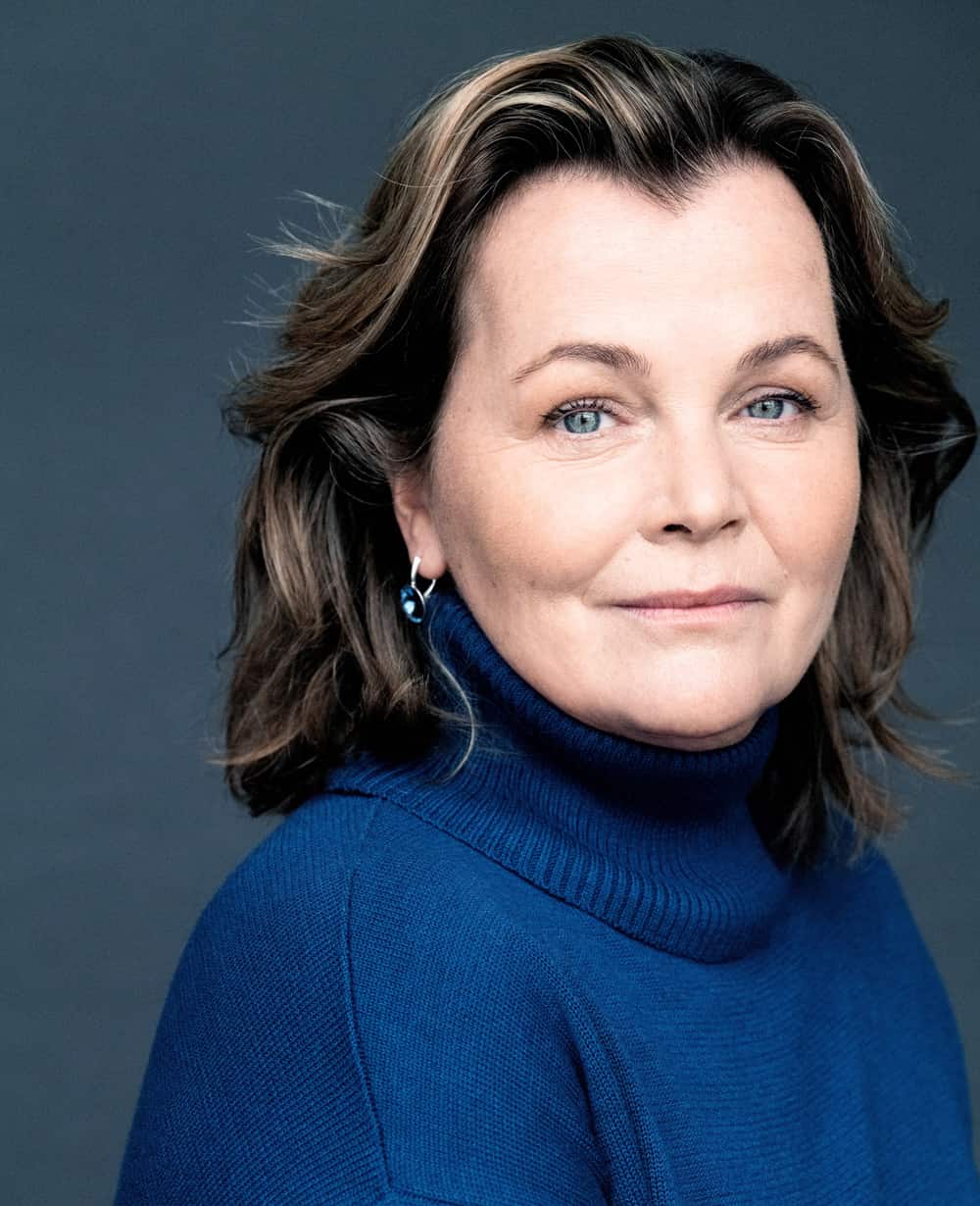
Born in 1961 in East Berlin. After graduating from high school, the trained typesetter worked at a printing house, for various publishing houses, the GDR Composers’ Association, and in radio. Since the early 2010s, Marion Brasch has written and published short stories and novels, including Ab jetzt ist Ruhe. Roman meiner fabelhaften Familie, which has inspired the documentary Familie Brasch by Annekatrin Hendel and also served as background material for Andreas Kleinert’s award-winning feature film Lieber Thomas.
Alongside her work as an author, Marion Brasch also works for theatre. She brought the lives of her three deceased artist brothers to the stage at Deutsches Theater in Berlin, adapted her children’s book Winterkind und Herr Jemineh into a stage play, and condensed the story of the legendary GDR youth radio station DT64 into a theatrical time travel.
Marion Brasch hosts the podcast Wie war’s for the Berliner Ensemble and presents the cultural talk show from the Radioeins studio at Bikini Berlin.
Project during the residency
First draft of a novel about a Viennese Jewish woman who, while living in exile in London, dreams of becoming an actress after the war, but ultimately ends up in a socialist panel estate in Karl-Marx-Stadt. A magical-realist narrative inspired by the story of my mother.
Photo credit: Moritz Haase
Alongside her work as an author, Marion Brasch also works for theatre. She brought the lives of her three deceased artist brothers to the stage at Deutsches Theater in Berlin, adapted her children’s book Winterkind und Herr Jemineh into a stage play, and condensed the story of the legendary GDR youth radio station DT64 into a theatrical time travel.
Marion Brasch hosts the podcast Wie war’s for the Berliner Ensemble and presents the cultural talk show from the Radioeins studio at Bikini Berlin.
Project during the residency
First draft of a novel about a Viennese Jewish woman who, while living in exile in London, dreams of becoming an actress after the war, but ultimately ends up in a socialist panel estate in Karl-Marx-Stadt. A magical-realist narrative inspired by the story of my mother.
Photo credit: Moritz Haase
Necati Öziri
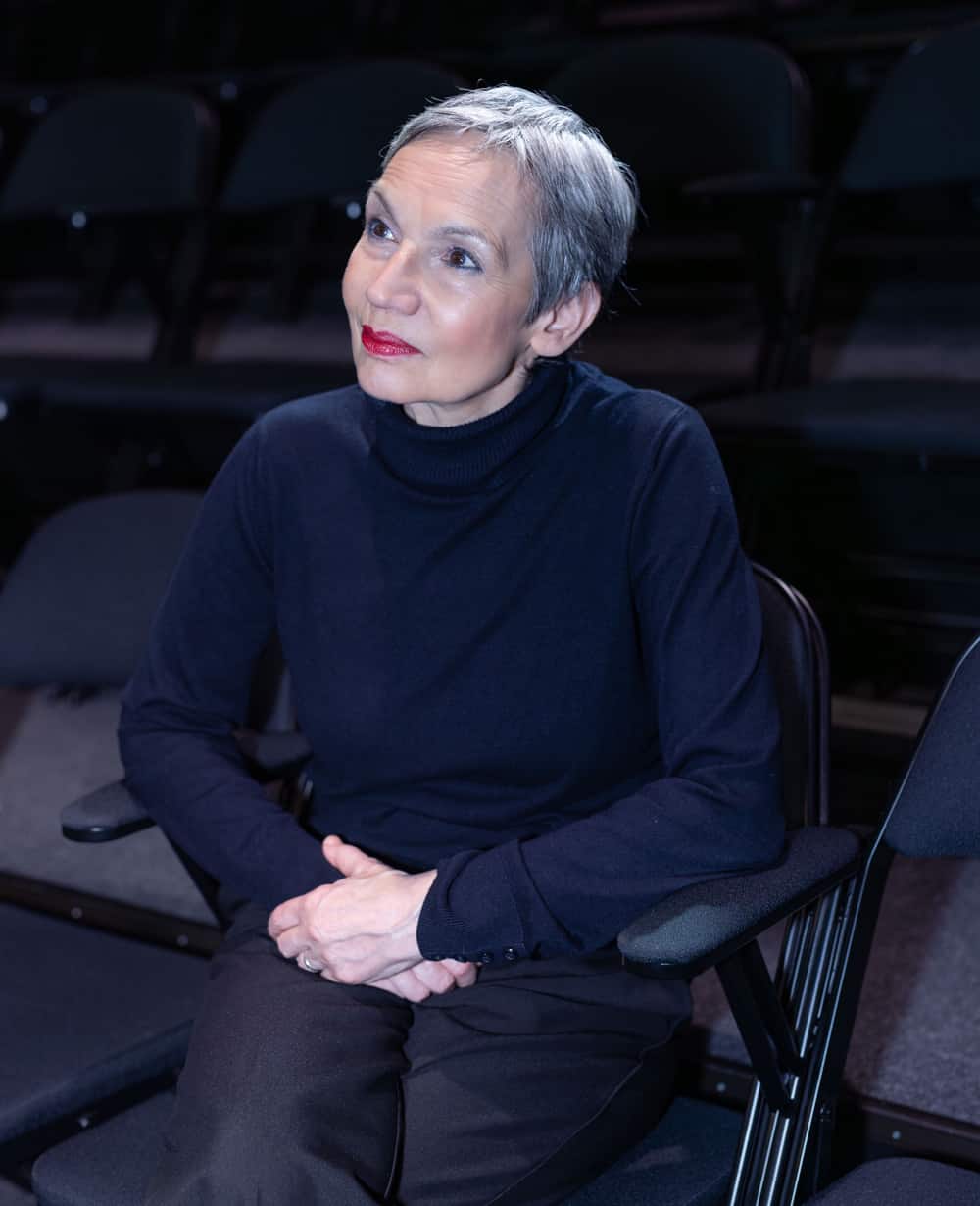
Photo credit: SebnurTansu Kayaalp
Pola Sieverding
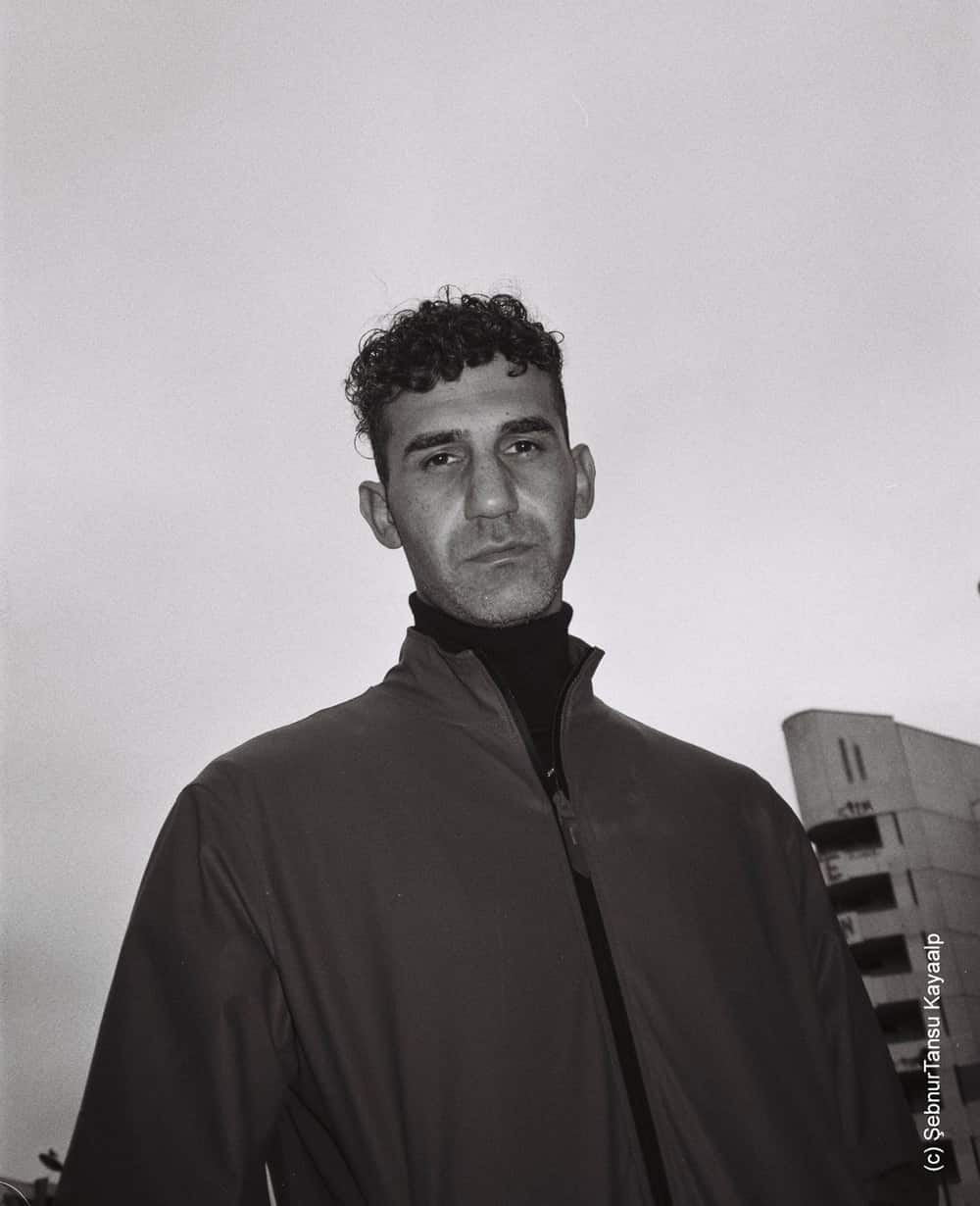
Pola Sieverding is an artist and curator. She studied at Carnegie Mellon University in Pittsburgh, the Surikov Institute in Moscow, and completed her studies as a master student at the Berlin University of the Arts. Working with photography, film, and video, her work explores the body—human and non-human—as a site where history, culture, and society intersect. A recurring focus is the relationship between skin and screen, surface and projection, which also extends to architectures, plants, and animals. Her work has been exhibited internationally, including in New York, Los Angeles, Berlin, Lisbon, Seoul, Vienna, Dubai, and Quito. She has taught at the Academy of Fine Arts Munich and at the International Academy of Art Palestine and is a founding member of the düsseldorf photo+ Biennale for Visual and Sonic Media, where she was part of the artistic direction in 2020, 2022, and 2024.
During the residency, she will continue working on the photographic series Duende, centered on the figure of the torero. The project looks at the corrida as a ritualized encounter between human and animal, focusing on moments of movement, physical presence, and the tension between life and death.
Photo credit: Jost Wischnewski
During the residency, she will continue working on the photographic series Duende, centered on the figure of the torero. The project looks at the corrida as a ritualized encounter between human and animal, focusing on moments of movement, physical presence, and the tension between life and death.
Photo credit: Jost Wischnewski
Ricarda Messner
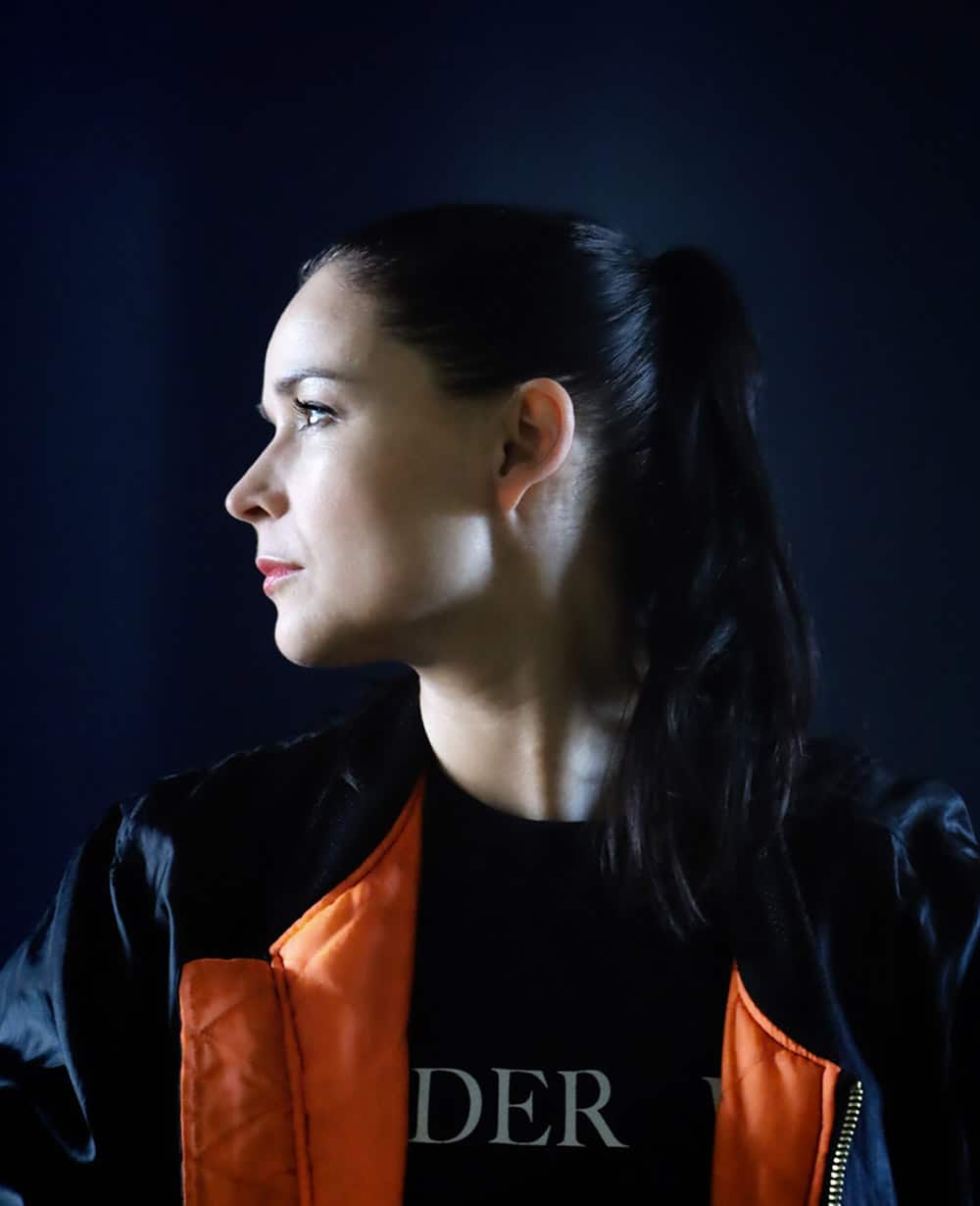
Ricarda Messner is the co-founder and publisher of Flaneur Magazine, which dedicates each issue to a single street in a different city, making visible connections that are often overlooked or overwritten. Since 2013, nine issues have been published. Over the years, the magazine has also experimented with a variety of formats, including a one-day festival at the Haus der Kulturen der Welt as well as live audio performances. Wo der Name wohnt is her debut novel (2025, Suhrkamp), for which she received the Alfred Döblin Fellowship and the Fulda Literary Prize. During the LOA residency, Ricarda will pursue stories that seek to conjure love.
Photo credit: Diana Pfammatter
Photo credit: Diana Pfammatter
Timo Feldhaus
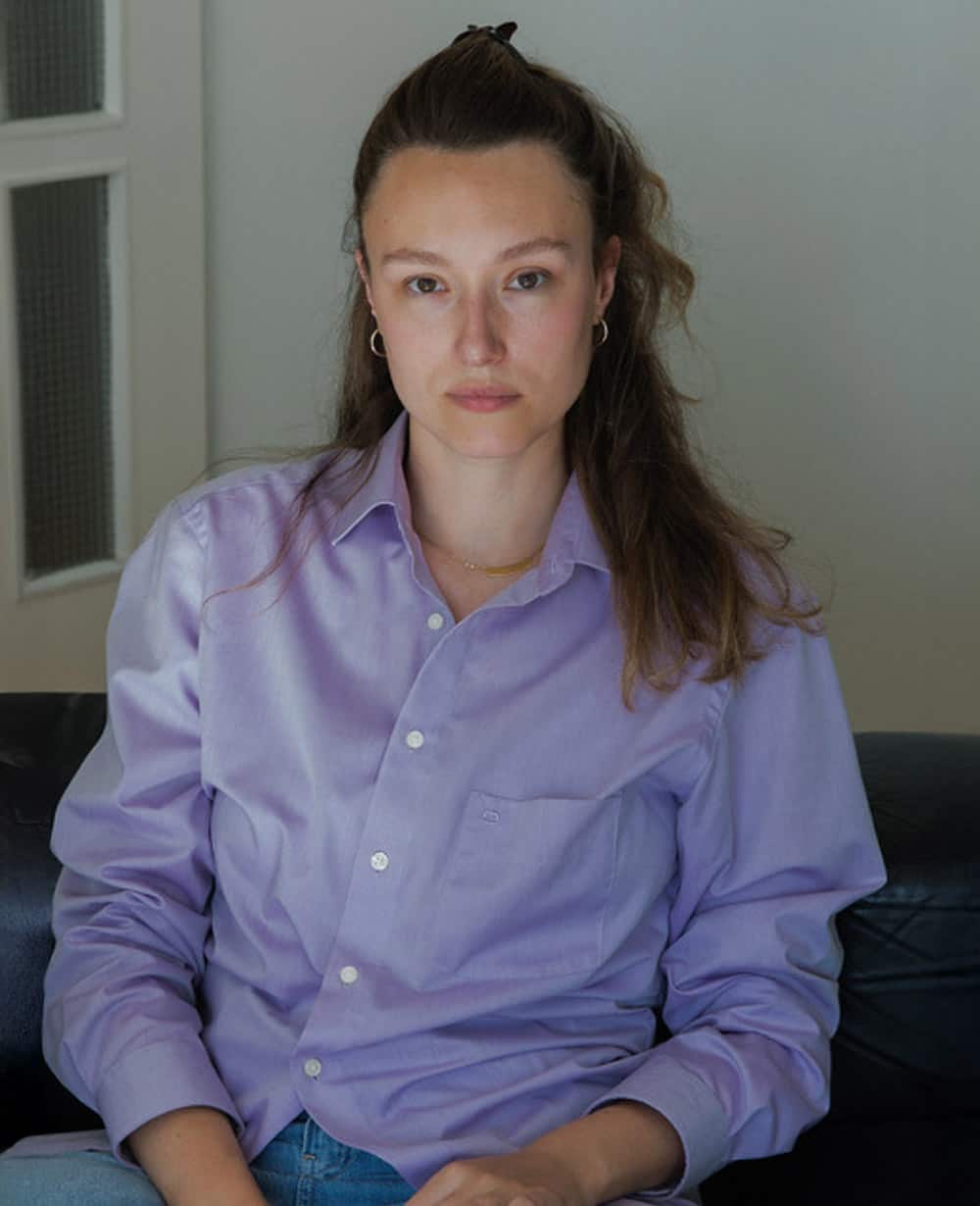
Timo Feldhaus is a journalist and writer. He studied literature, sociology, and comparative studies at the Freie Universität Berlin and is known for his essayistic and often personal texts on art, music, and literature, as well as political and social issues. His work has appeared in publications such as Monopol, Süddeutsche Zeitung, Zeit Online, and De:bug. In 2022, he published the novel Mary Shelley’s Room with Rowohlt Verlag, a historical panorama set at the height of the first modern climate catastrophe, revolving around the eruption of Mount Tambora in 1816 and the creation of Mary Shelley’s Frankenstein. Feldhaus’s work focuses on the boundaries between literature and nonfiction, combining historical research with narrative technique. During the LOA residency, he will work on a novel that explores his own history and that of his grandfather. It deals with anger and West Germany, with war and the most peaceful country on earth. He lives in Berlin with his family.
Photo credit: Maurin Dietrich
Photo credit: Maurin Dietrich
Zelal Yeșilyurt
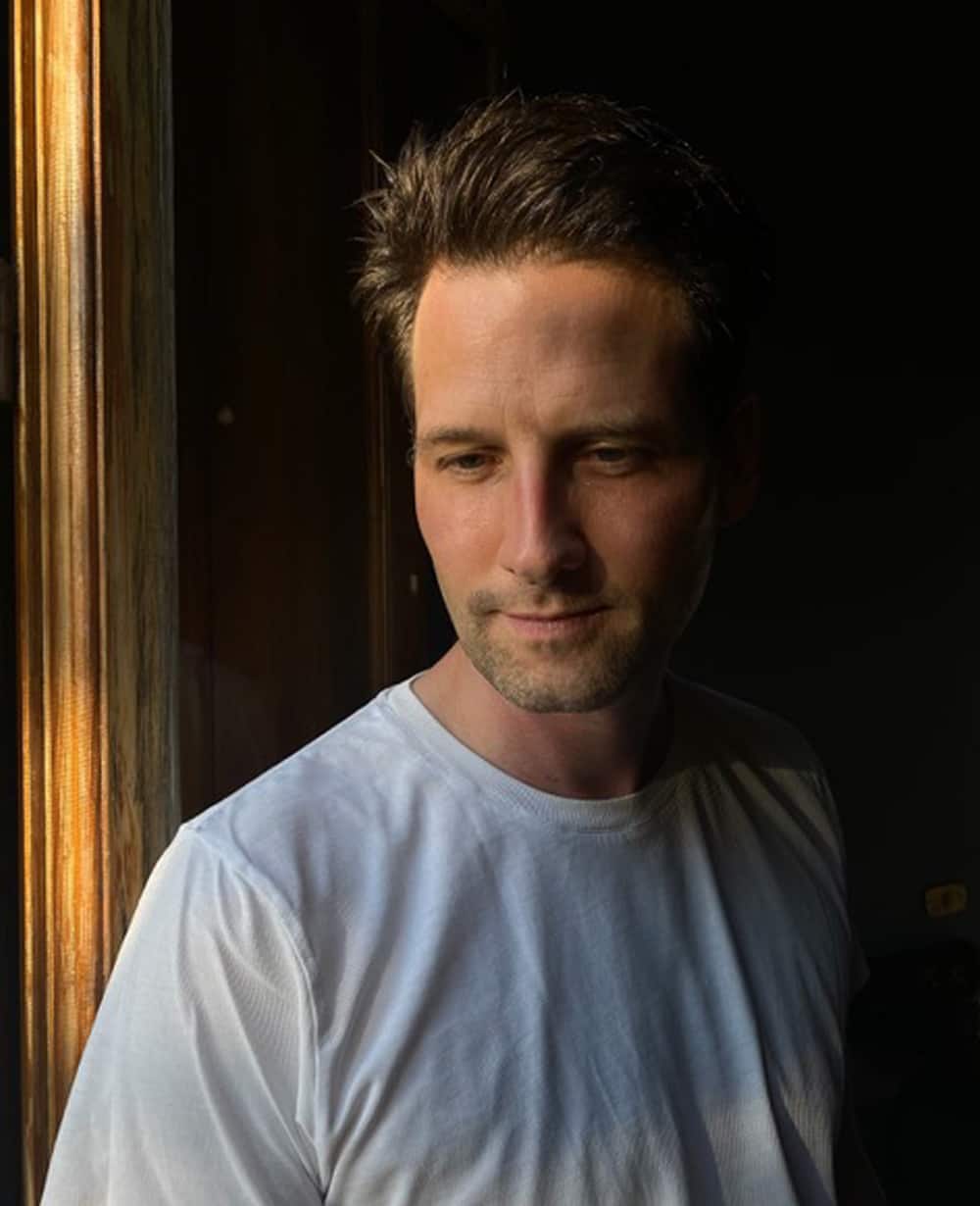
Zelal Yeşilyurt (born in Berlin in 2000) is an intermedia and interdisciplinary director, author, and playwright. She works across the performing arts, installation, poetry, and prose. She gained her first artistic experience at the Volksbühne's P14 youth theater and with the performance group She She Pop. After briefly studying cultural and social sciences in Berlin, she studied applied theater studies in Giessen and later scenic writing at the Berlin University of the Arts, where she graduated in 2024.
In 2024, her plays I'm a girl you can hold IRL and Cyberangel premiered at the Maxim Gorki Theater Berlin, both under her own direction. In January 2026, her play I LOVE ZELAL premiered at the same venue, again under her own direction. Her prose debut Molotov Cocktail Dress is published by Korbinian Verlag. Her texts have appeared in Das Wetter, BELLA triste, and Tegel Media. She writes and works in German and English.
During her residency, she will work on a novel and a long-form poetry project.
Photo credit: Francesco Cuttitta
In 2024, her plays I'm a girl you can hold IRL and Cyberangel premiered at the Maxim Gorki Theater Berlin, both under her own direction. In January 2026, her play I LOVE ZELAL premiered at the same venue, again under her own direction. Her prose debut Molotov Cocktail Dress is published by Korbinian Verlag. Her texts have appeared in Das Wetter, BELLA triste, and Tegel Media. She writes and works in German and English.
During her residency, she will work on a novel and a long-form poetry project.
Photo credit: Francesco Cuttitta